The Hand-Held Revolution: How We Controlled the 90s
When we talk about the console wars, we often focus on the bits and the speed of the processors. But the most intimate part of the experience was the plastic device we held in our hands for hours. The battle between the Dendy's classic crosspad and Sega's ergonomic three-button controller wasn't just about technicalities; it was about how the games felt to play.
The Dendy Legend: Precision in a Simple Brick
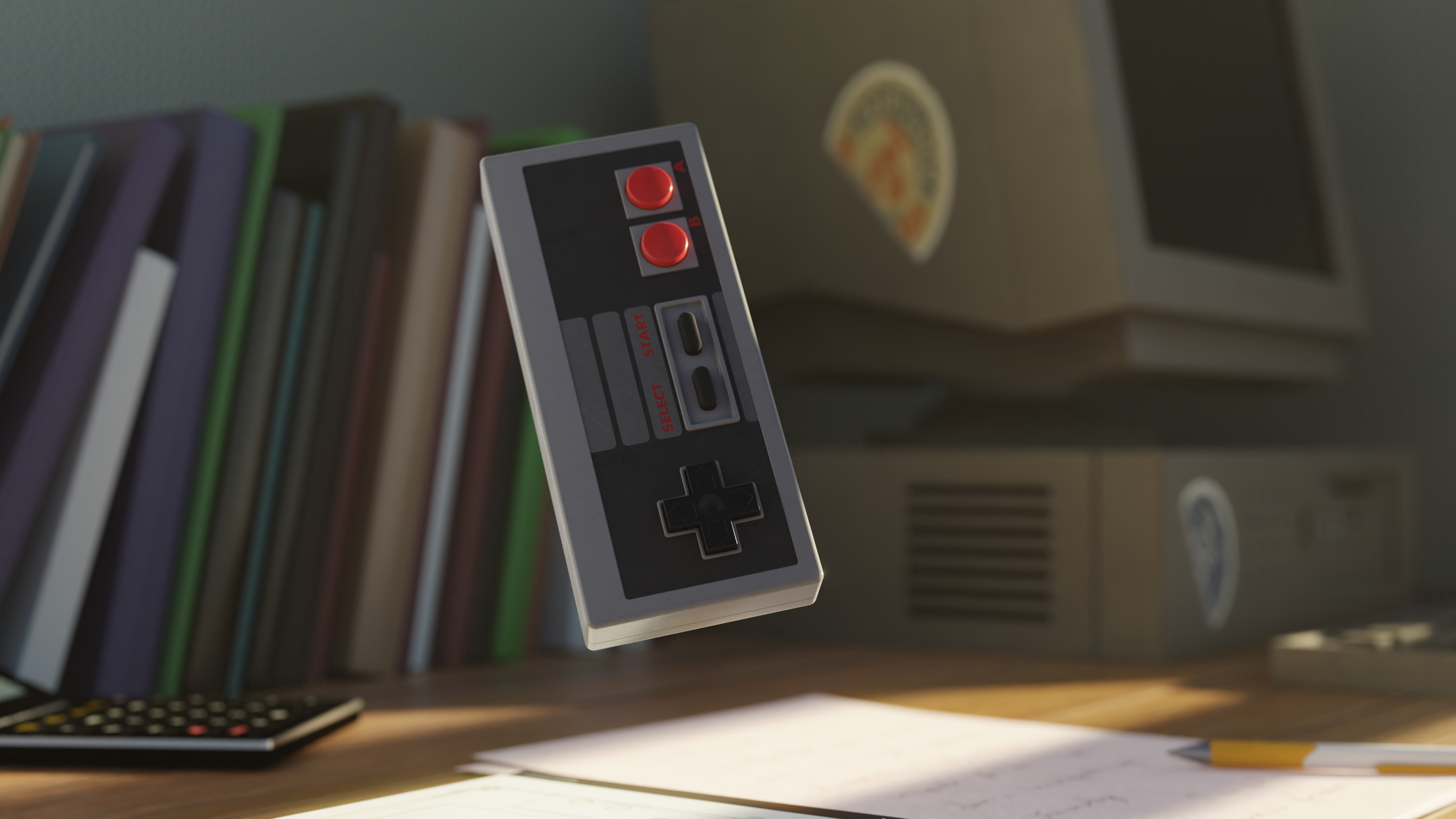
The Dendy, being a Famiclone, inherited the iconic rectangular design of the 8-bit era. Its controller was a simple brick. For those who grew up in the early 90s, the Dendy held the crown for digital precision. The crosspad (D-pad) was sharp, responsive, and perfect for the grid-based movement of games like Battle City or Contra.
However, long sessions often led to "Nintendo thumb"—a literal soreness from the hard edges of the plastic. The two-button layout (A and B) was sufficient for the time, but as games grew more complex, the limitations became apparent. Today, looking at reviews online, many veterans still praise the D-pad for its lack of ambiguity in inputs.
Sega's Vision: The Curve of the Future
Then came the Sega Mega Drive. It felt like holding a piece of futuristic technology. The controller was bean-shaped, designed to fit the natural contours of a human palm. It moved away from the sharp edges toward a smooth, aerodynamic feel. The three buttons (A, B, and C) were arranged in an arc, allowing the thumb to slide between them with minimal effort.
This layout was a massive tactical advantage for arcade ports, especially fighting games. Having three distinct actions mapped to separate buttons changed how developers designed combos and interactions. The D-pad on the Sega was also different—instead of a strict cross, it was a circular disk that allowed for easier diagonal inputs, crucial for the "quarter-circle" motions in Street Fighter II.
The Verdict: Precision vs Comfort
Choosing between them is a matter of muscle memory. The Dendy's crosspad offers a level of binary precision that is hard to beat for 2D platformers where one wrong pixel means death. Sega, on the other hand, prioritize comfort and flow, paving the way for the modern controllers we use today. Whether you preferred the clicky snap of the 8-bit era or the smooth curves of the 16-bit powerhouse, both left an indelible mark on gaming history.
Frequently Asked Questions
Generally, the Sega Mega Drive controller is superior for fighting games due to its three-button layout and circular D-pad, which makes executing complex moves and combos much smoother than on a traditional 8-bit cross.
Many Dendy controllers featured additional "Turbo A" and "Turbo B" buttons. These were added to assist players in shooting or jumping repeatedly without having to mash the physical buttons, which was a common requirement in many 8-bit arcade ports.
Retro Discussions
JoyStickPro
The Dendy crosspad is iconic. It felt so precise for platformers like Contra. I still miss that tactile feel!
Leave a Comment