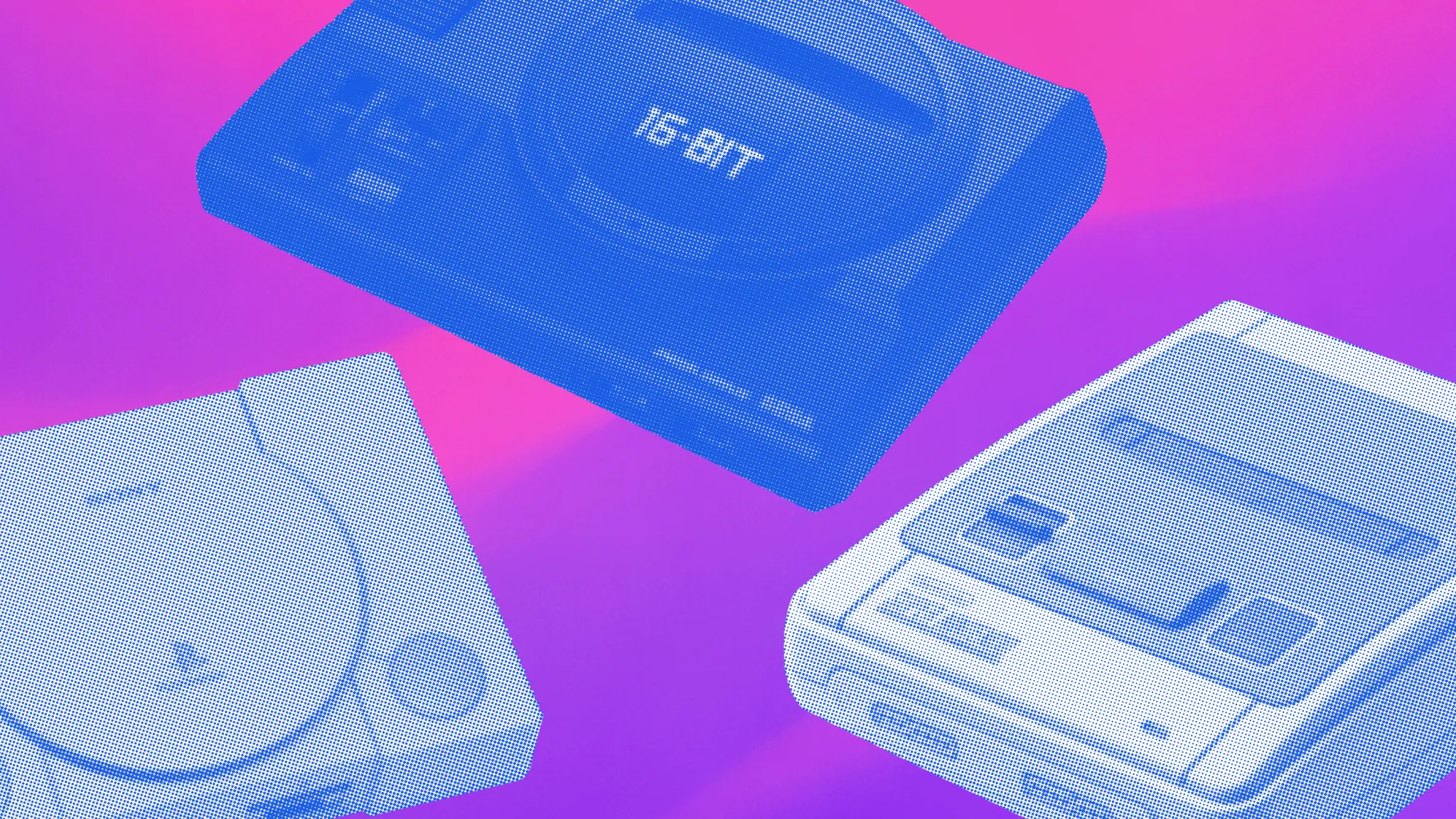
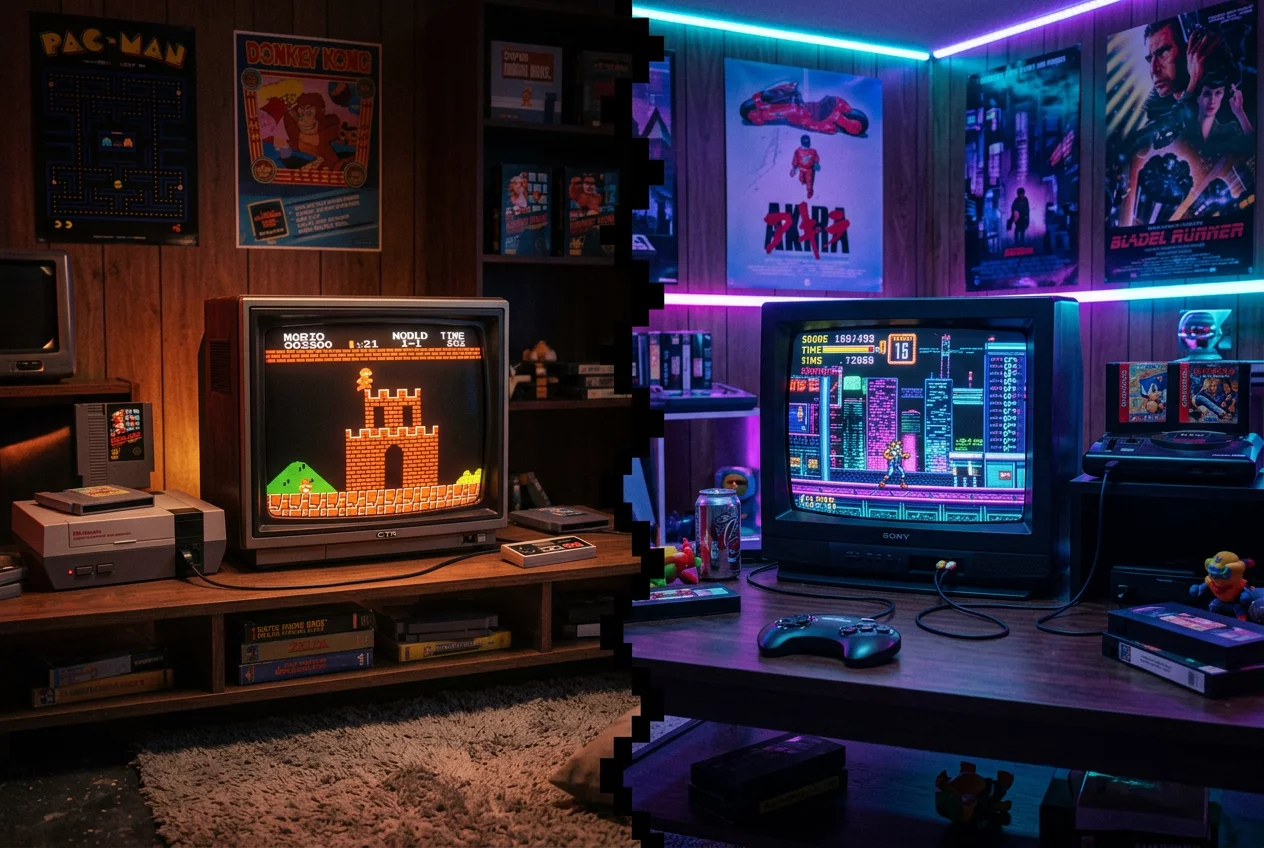
Dive into the legendary confrontation that defined a generation. Explore the crown jewels of 8-bit and 16-bit history in our comprehensive online retrospective, comparing graphics, sound, and the games that made us who we are today.
The 90s were defined by a digital tug-of-war that transformed living rooms into battlegrounds. While the Dendy brought the 8-bit revolution to almost every household, Sega Mega Drive offered a glimpse into a high-speed future. This rivalry wasn't just about hardware; it was about the culture of sharing cartridges and the thrill of discovering new worlds online through community forums and local clubs.
Choosing between the crisp FM synthesis of Sega and the charming PSG chirps of Dendy was the ultimate playground debate. Both systems wore the crown of innovation in their own right, shaping the tastes of an entire generation of gamers who still cherish these pixelated memories today.
A technical comparison of the 8-bit and 16-bit legends that defined the golden age of gaming.
Sega wore the 16-bit crown with its Motorola 68000 CPU, capable of displaying 80 sprites simultaneously and supporting multi-layer parallax scrolling for deep environments.
Built on the Ricoh 2A03, Dendy excelled in 8-bit charm. While limited to 64 total sprites, its vibrant colors are still celebrated across the retro community online today.
The Yamaha YM2612 provided 6 channels of FM synthesis, delivering a distinct, gritty, and metallic sound that perfectly suited 90s arcade-style action games.
Dendy utilized a 5-channel PSG chip. Its square and triangle waves created the iconic chiptune melodies that became the definitive soundtrack of a generation.
Have a question about 16-bit graphics or want to share your Dendy memories? Our techno-archive team is always ready for a retro chat.