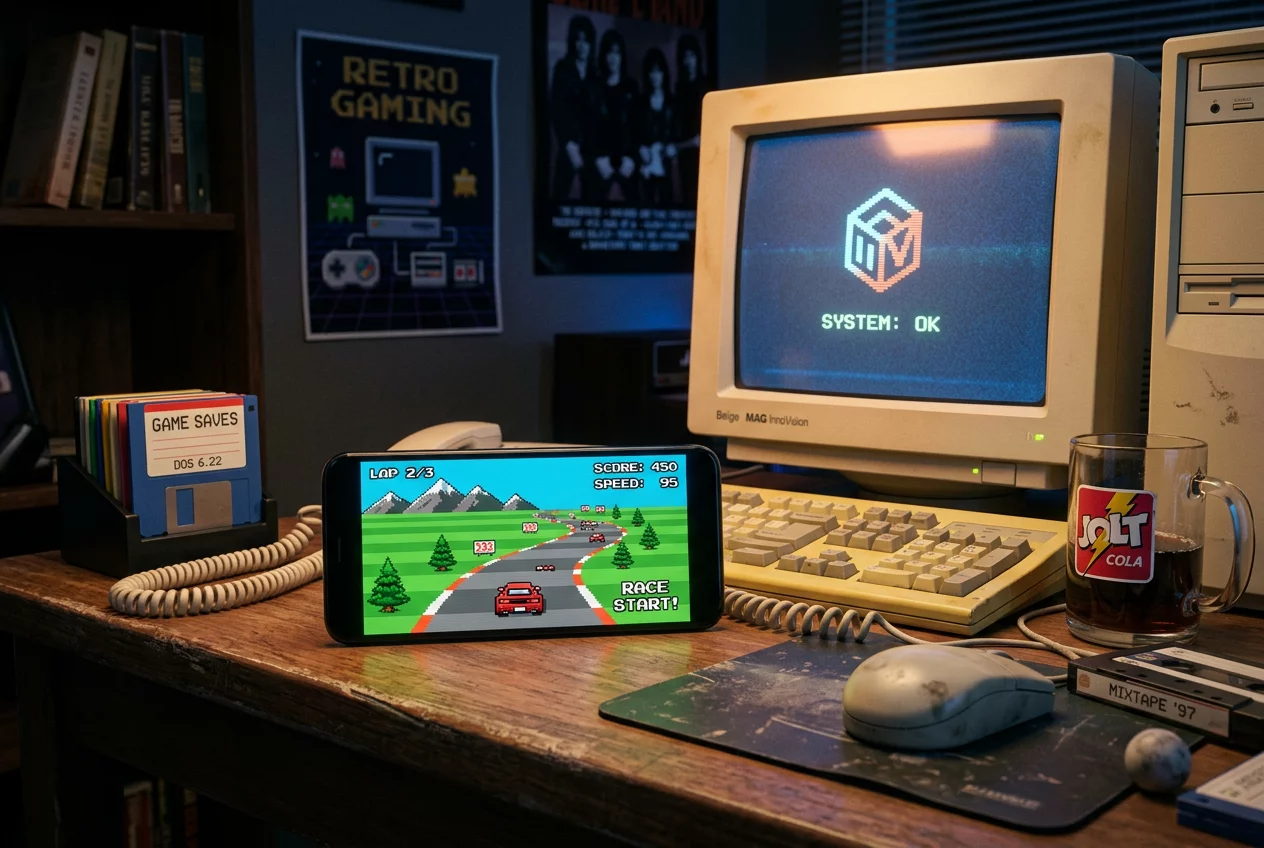
The 90s weren't just about the shift from cartridges to discs; they were about the fierce loyalty created right in the center of the home. In many regions, the battle wasn't between Nintendo and Sega, but between the affordable, ubiquitous Dendy and the prestigious, high-tech Sega Mega Drive. This rivalry shaped how an entire generation perceived technology, competition, and social status.
The Social Divide of the 8-bit vs 16-bit Era
Owning a Dendy was the entry point for millions into the world of electronic entertainment. It was the console of the people, found in almost every household where a television set resided. It created a collective culture of swapping yellow cartridges on school breaks and competing for the high score in tank battles. It wore the crown of accessibility, ensuring that gaming wasn't just for the elite.
On the other side of the carpet stood the Sega Mega Drive. It represented the next step—a leap into adulthood for many young gamers. The "cool factor" associated with Sega was undeniable. With its sleek black chassis and aggressive marketing, it felt like bringing the arcade home. This was no longer just about playing; it was about performance, speed, and the status of having "arrived" in the 16-bit world.
Online Communities and Modern Nostalgia
Today, this rivalry continues in the digital space. Enthusiasts gather online to discuss the merits of both systems, preserving the memory of those flickering CRT screens. The cultural impact has transcended the hardware itself, becoming a cornerstone of retro-culture that influences modern indie game design and chiptune music.
- The Dendy defined the 8-bit childhood for millions
- Sega introduced the concept of gaming as a high-fidelity hobby
- Cartridge swapping networks were the first social networks
- Both consoles remains icons of 90s design language
Frequently Asked Questions
Why was Dendy more popular than Sega in some regions?
Cost was the primary factor. Dendy was an affordable alternative that used common components, making it accessible to families who couldn't afford the premium price tag of a localized Sega console.
Did the rivalry affect game development?
Absolutely. Developers often prioritized different styles—simple, addictive loops for 8-bit systems and complex, cinematic experiences for the 16-bit Sega hardware.
Retro Discussions
No comments yet. Be the first to leave a memory of the great 90s rivalry!
Leave a Comment