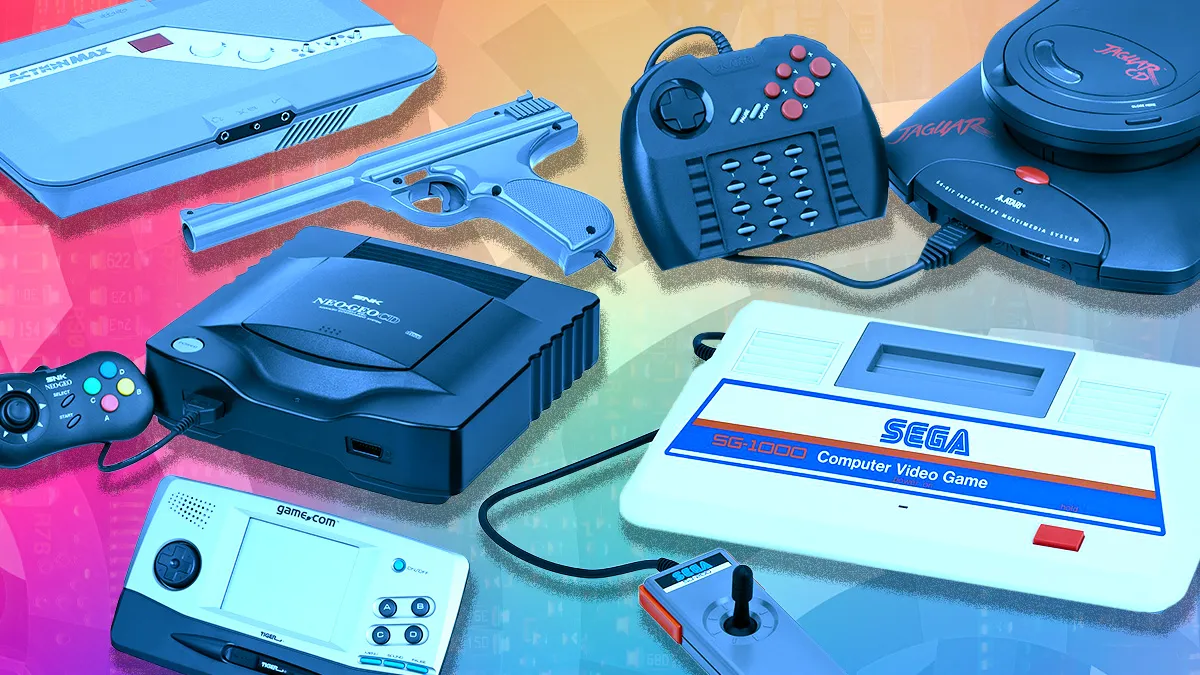
Back in the 1990s, the visual experience of gaming was defined not by pixel-perfect clarity, but by a warm, vibrating signal known as composite video. For every Dendy owner, the yellow RCA cable was the lifeline to digital adventure. This analog connection carried all the visual data through a single wire, causing the luma and chroma signals to mingle. The resulting interference produced what enthusiasts now call 'the fuzzy charm'.
The Secret Weapon of Retro Artists
This technical limitation was actually a secret weapon for game artists. They understood that the hardware would blend adjacent pixels, allowing them to create smooth gradients and perceived colors that the console's palette couldn't technically produce. When you see these games online today on a sharp LCD, you lose that organic blending. The pixels look like harsh blocks rather than the textured, flowing images intended by the developers.
The noise of a composite signal isn't just interference; it is the texture of a generation.
The interaction with a CRT television was the final piece of the puzzle. The shadow mask and the glow of the phosphors combined with the composite signal noise to act as a primitive form of anti-aliasing. It softened the edges of sprites, making them feel like part of the world rather than stickers on a background. It is a crown of visual design born from necessity.
Embracing the Analog Fuzz
While modern technology allows us to play these classics in crisp HD, something is often lost in translation. Embracing the fuzziness isn't about ignoring progress, but about appreciating the specific aesthetic that made 8-bit gaming so magical on those heavy glass screens. It provides a sense of depth and motion that a static, perfectly sharp image lacks.
Frequently Asked Questions
Why does Dendy look better on an old CRT?
Old TVs were designed for analog signals like composite video. They naturally blend the pixels, hiding the low resolution and creating smoother transitions.
Can I get a better picture on a modern monitor?
You can use upscalers like the RetroTINK or special filters in emulators to mimic the look, but the original hardware always looks most authentic on a tube television.


Retro Discussions
This could be your first comment. Share your memories of the fuzzy Dendy graphics and those legendary yellow cables!
Leave a Comment