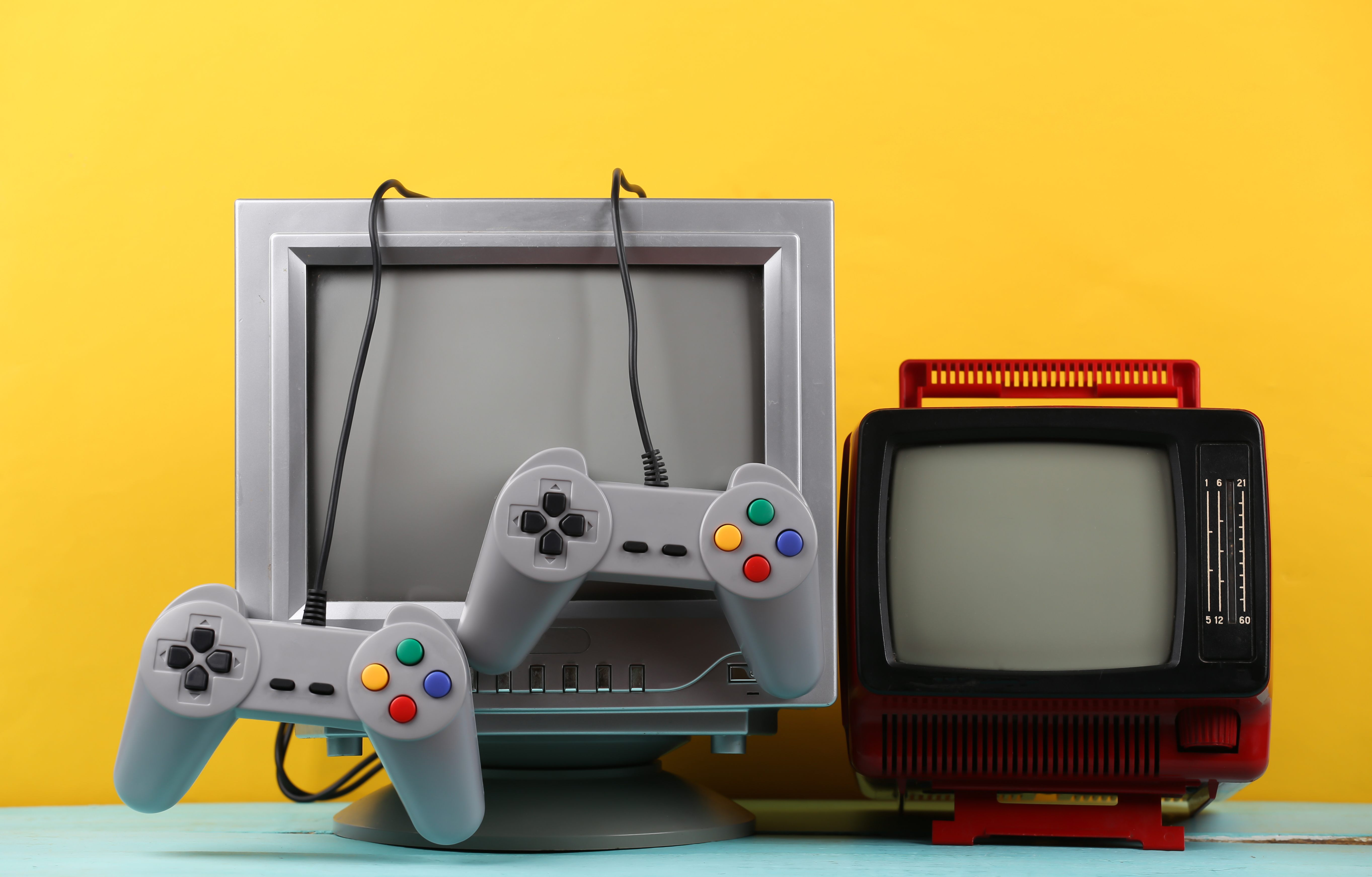
In the early 1990s, while Western markets were transitioning between console generations, a different kind of revolution was sweeping through Eastern Europe and other developing regions. The Famicom, Nintendo's legendary 8-bit system, arrived not through official distribution, but via the ingenious engineering of clone manufacturers. These systems, colloquially known as Famiclones, became the gateway for millions into the digital world of interactive entertainment.
At the center of this movement was the Dendy, a brand that would eventually wear the crown of the most successful console in its region. Steepler, the company behind Dendy, managed to turn a third-party clone into a household name, creating a massive ecosystem of hardware, cartridges, and even dedicated TV shows. It was a unique era where official licensing took a backseat to accessibility and demand.
The Engineering Behind the Clones
Technically, these systems were direct clones of the Japanese Famicom, designed to run 60-pin cartridges. Early Famiclones often used full discrete components, closely mimicking the original Ricoh architecture. However, as the decade progressed, manufacturers moved toward a more integrated approach. This led to the creation of 'NES on a Chip' (NOAC) designs, where the entire motherboard logic was condensed into a single tiny silicon chip covered by a blob of black epoxy. It made the systems lighter, cheaper, and incredibly durable.
Even though we can now find these games online and play them in high definition through modern emulators, nothing quite matches the authentic experience of the 90s. The fuzzy video output and the specific tactile feedback of those plastic controllers are part of the nostalgia. The Dendy Junior and Dendy Classic models weren't just electronics; they were central pieces of childhood for a whole generation of gamers.
Legacy and Cultural Impact
The impact of Famiclones extended far beyond the living room. They fostered a vibrant secondary market for trading cartridges, and often, pirate multicarts like the famous '9999-in-1' became the standard way to build a library. These systems proved that gaming didn't need a huge budget or official corporate blessing to thrive. Today, the Dendy remains a symbol of ingenuity and the raw passion of a growing tech culture.
Common Questions About Famiclones
Are Famiclones the same as the NES? Internally, yes. They use the same architecture, though most clones utilize the 60-pin Famicom cartridge slot rather than the 72-pin NES slot. Adapters were common for cross-compatibility.
Why was Dendy so popular compared to others? Steepler provided a level of professional marketing and localized support that other generic clones lacked, effectively creating a 'semi-official' feel for the brand.
Retro Discussions
CloneCollector
Famiclones have such a fascinating history. It's amazing how much they differed from the original Nintendo hardware internally while keeping perfect game compatibility.
Leave a Comment