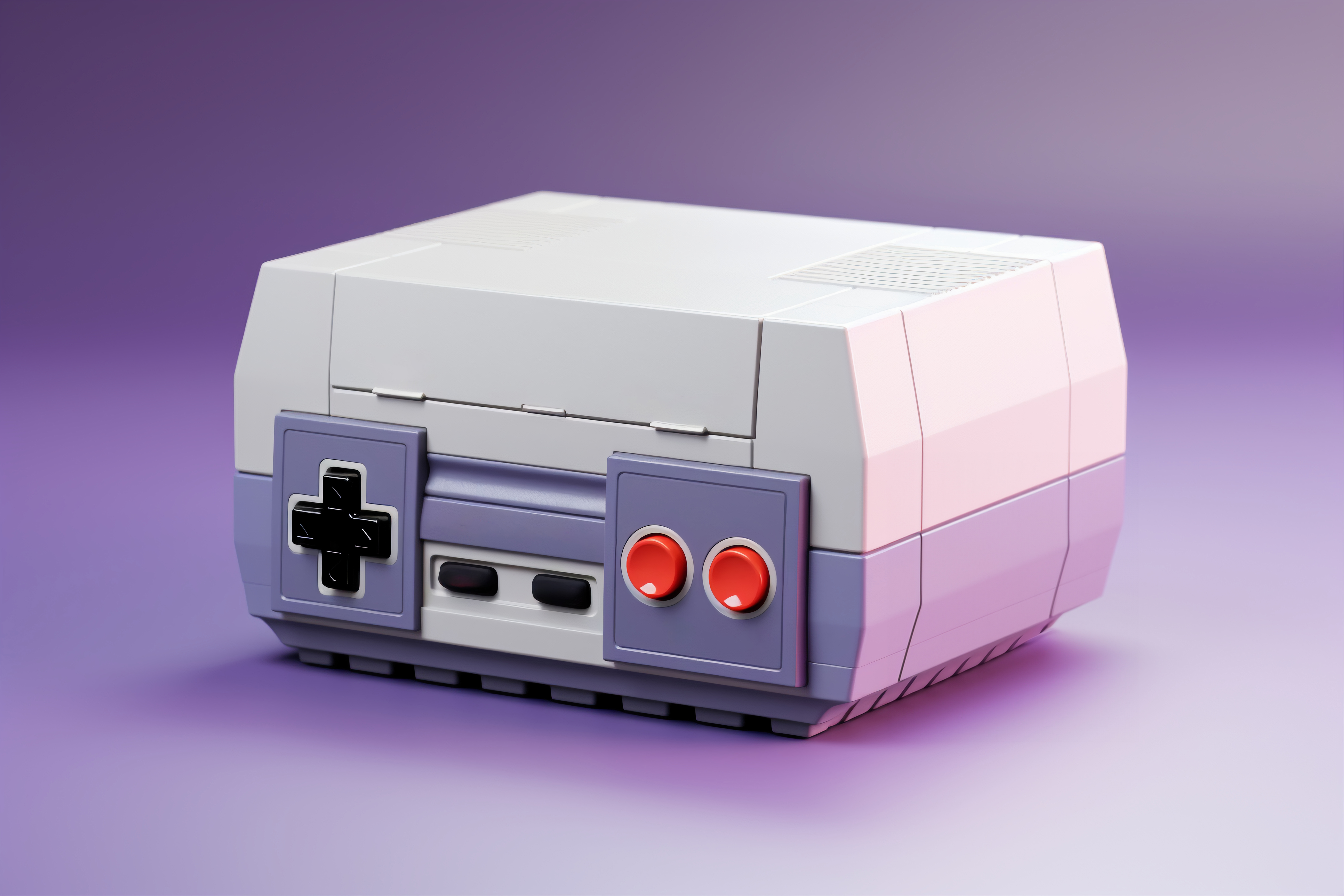
The 16-bit Marketing Legend
If you grew up in the 90s, you couldn't escape the scream of the Sega TV commercials. They boasted a feature the Super Nintendo supposedly lacked: Blast Processing. But what exactly was it? For many, it remained a vague synonym for speed, often associated with a certain blue hedgehog tearing through levels at neck-breaking velocities. In reality, the concept was a clever mix of technical truth and aggressive marketing crown techniques designed to humiliate the competition.
Technical Foundations: Data Transfer
Strictly speaking, «Blast Processing» referred to the Sega Mega Drive's ability to move data rapidly using Direct Memory Access (DMA). The Motorola 68000 CPU functioned as the heart of the beast, and it indeed had a higher clock speed than the SNES equivalent. By leveraging the DMA bandwidth during horizontal blanking periods, programmers could «blast» data to the Video Display Processor faster than on competing hardware. This enabled the console to handle more assets on screen simultaneously, making intense action games feel incredibly smooth when played online or locally.
«It wasn't just a buzzword; it was a clever way to describe the high-speed data piping that made fast games possible without slowdown.»
Developers used this bandwidth to produce effects that seemed impossible for the time. High-speed scrolling, massive boss sprites composed of multiple smaller parts, and rapid color changes were all results of this hardware capability. While the SNES had more colors and transparency effects, it often struggled with slowdown in complex scenarios where the Mega Drive simply powered through.
The Legacy of the Buzzword
Ultimately, Blast Processing became the ultimate symbol of the console wars. It defined a generation's perception of Sega as the «cool» and «edgy» choice compared to Nintendo’s family-friendly image. Even if most children didn’t understand DMA transfer rates, they could feel the difference in momentum when playing titles designed to showcase that raw speed. It remains a fascinating case study in how technical specifications can be translated into powerful cultural narratives.
Frequently Asked Questions
Was Blast Processing a complete lie?
No, it was based on the Sega's superior DMA bandwidth and faster CPU clock speed, though the term itself was purely a marketing invention.
Did it make games look better than on Dendy?
Absolutely. Compared to 8-bit systems like Dendy, the 16-bit «blasts» of data allowed for levels of animation and sprite counts that were physically impossible on older hardware.

Retro Discussions
SpeedRunner
Blast processing was such a cool marketing term.
Leave a Comment