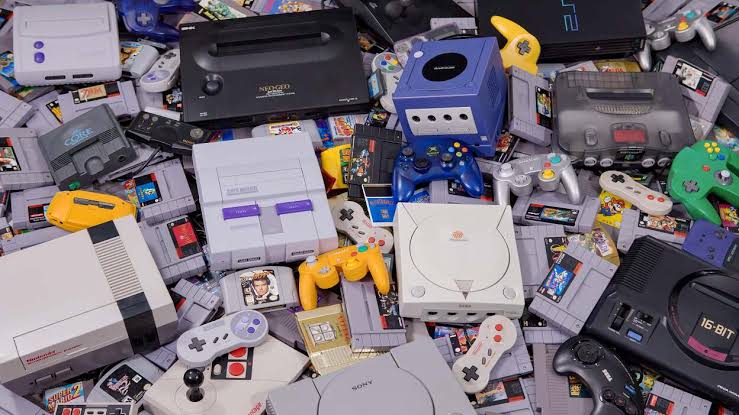
When we talk about the sonic landscape of the 90s, the battle between 8-bit and 16-bit was as much about the ears as it was about the eyes. Dendy players grew up with the distinct chirps and buzzes of the Ricoh 2A03, a Programmable Sound Generator (PSG) that defined an entire subculture of chiptune music. It was sound in its rawest form: square waves, triangles, and white noise crafted into catchy melodies that had to carry a game's entire atmosphere on just five channels. This crown of simplicity allowed composers to focus on pure melodic brilliance. You could experience these tunes online through various emulators, but nothing compares to the physical hardware.
The PSG Era: Simplicity and Catchy Hooks
The PSG chip in the Dendy was limited, yes, but it was incredibly effective. By manipulating simple waveforms, musicians created iconic themes that still resonate today. The square waves provided the lead and bass, while the triangle wave was often dedicated to a rhythmic, punchy bassline. Because the hardware couldn't reproduce realistic instruments, composers leaned into abstract, electronic sounds that felt futuristic and toy-like. It was a digital playground where every beep had to count.
Sega's Secret Weapon: The Yamaha YM2612
Then came the Sega Mega Drive with its Yamaha YM2612 chip. This wasn't just a sound generator; it was an FM synthesizer. Frequency Modulation (FM) allowed for much more complex textures, mimicking electric guitars, organs, and aggressive drums. It gave Sega games a gritty, industrial, and more mature edge. Suddenly, soundtracks felt like they belonged in an arcade or a dark nightclub rather than just a living room toy box. The 6-channel FM synthesis was a technological leap that changed expectations forever.
Comparing the Two: Raw Grit vs. Clean Synthesis
- Texture: PSG feels thin and metallic; FM feels thick and layered.
- Versatility: FM synthesis can simulate a wide range of timbres.
- Drum Quality: Sega used samples (PCM) for drums, giving them much more punch.
- Nostalgia: Dendy's PSG sound is the blueprint for modern chiptune.
Which One Wins?
Choosing a winner depends entirely on what you want from your gaming experience. For many, the warm, honest tones of the PSG represent the golden age of innocent gaming. For others, the raw, buzzing energy of FM synthesis represents the growing pains of a medium that was trying to sound more adult and orchestral. Both chips had their quirks, and both pushed developers to their absolute limits to squeeze out every possible note.
Frequently Asked Questions
The Mega Drive had a notoriously poor analog output stage in some hardware revisions, which added internal noise to the crisp FM signals.
Absolutely. Modern audio workstations and online tools can perfectly emulate both the Yamaha FM chips and the Ricoh PSG waveforms.
Retro Discussions
SynthLover
FM synthesis changed game audio forever.
Leave a Comment