
The Magic of Background Layers
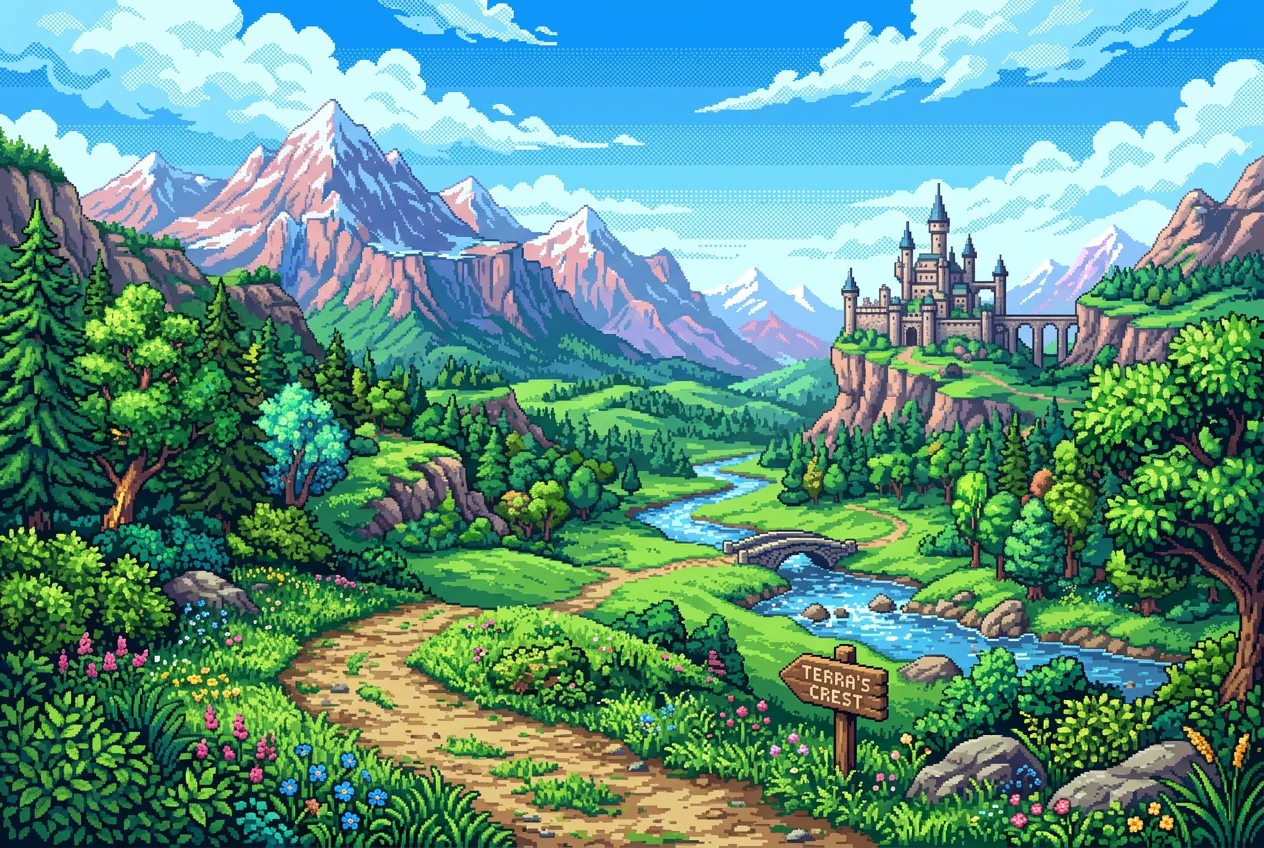
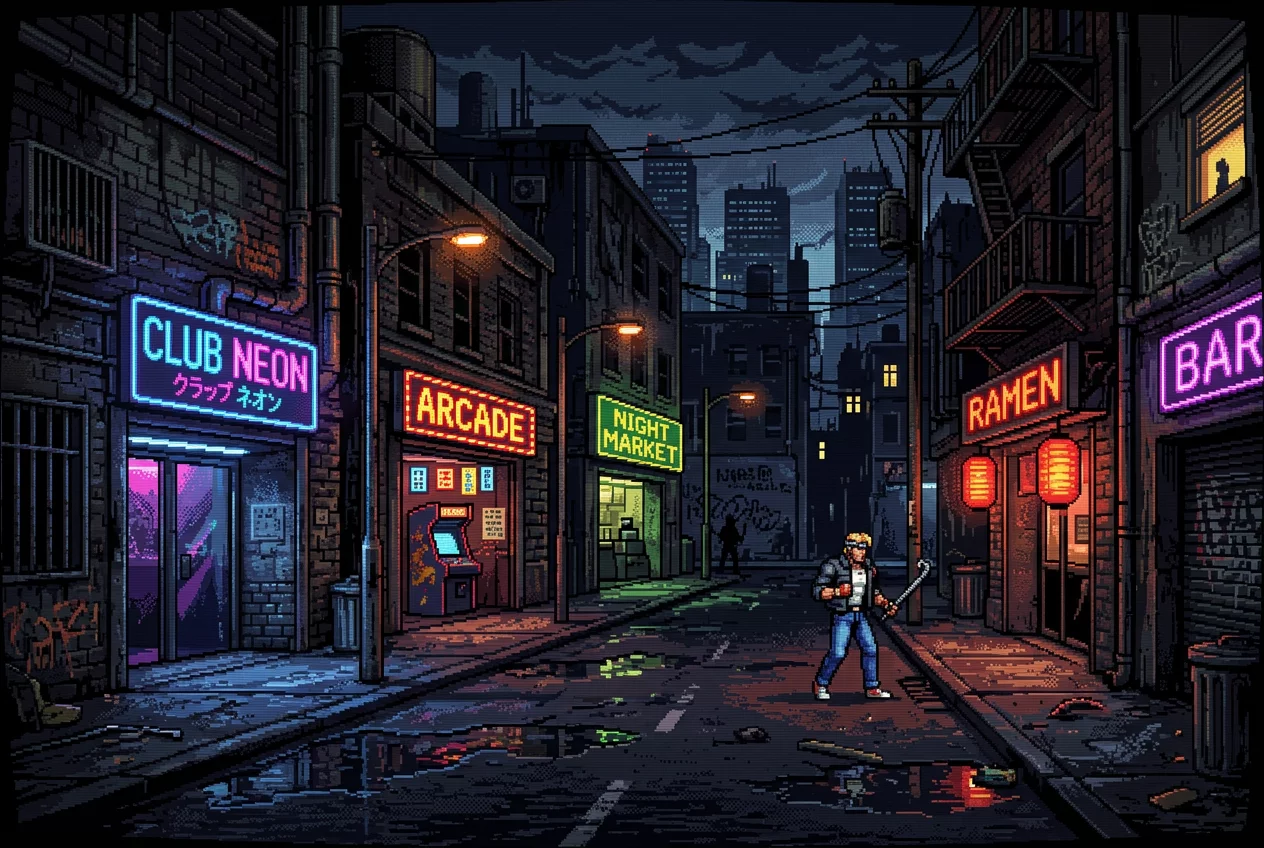
In the golden age of 2D gaming, the implementation of parallax scrolling was often considered the crown jewel of visual engineering. Before 3D graphics became the standard, developers had to create a sense of scale and depth using strictly two-dimensional assets. The most effective method was moving different layers of background scenery at varying speeds. This optical trick mimics how we perceive the real world: distant mountains appear to stay still while nearby trees zip past us. For many players discovering these games online through modern archives, the complexity of these 8-bit and 16-bit hacks remains mind-blowing.
Sega Mega Drive: Hardware Mastery
The Sega Mega Drive was a powerhouse for its time, featuring two dedicated hardware-scrolling planes (Layer A and Layer B). This allowed developers to create stunning depth with zero CPU overhead. Games often used these layers to show moving clouds behind distant hills, while the foreground remained interactive. Programmers even learned to "slice" these layers into horizontal strips, moving each strip at a slightly different speed to create a floor that seemed to stretch into the distance—a technique famously seen in high-speed racing and platforming titles.
Dendy and the 8-bit Struggle
Achieving the same effect on the Dendy (NES) was a significantly harder task. The console only had one hardware scroll plane. To fake parallax, developers had to use "mid-frame interrupts." By precisely timing the CPU to change the scroll register halfway through drawing the screen, they could make the top half move at one speed and the bottom at another. It required absolute frame-perfect timing; otherwise, the whole screen would jitter. It was a high-wire act of coding that separated the master developers from the amateurs.
A Legacy of Depth
While we now live in a world of 4K ray-tracing, the charm of pixelated parallax hasn't faded. It provides a tactile, "layered" look that 3D often struggles to replicate. Modern games still use these exact principles to pay homage to the classics. Understanding these techniques isn't just about nostalgia; it's about appreciating the raw creativity of pioneers who refused to let hardware limitations define the boundaries of their worlds.
Common Questions
- Did every Sega game use parallax? No, but the majority of top-tier titles used it to show off the system's hardware superiority.
- Was it possible on Dendy without extra chips? Yes, but it was extremely taxing on the CPU. Later games used specialized chips inside the cartridge to help manage the graphical data more efficiently.
Retro Discussions
ArtDirector
Parallax scrolling gave games so much depth. It's fascinating how they managed this with such limited memory.
Leave a Comment