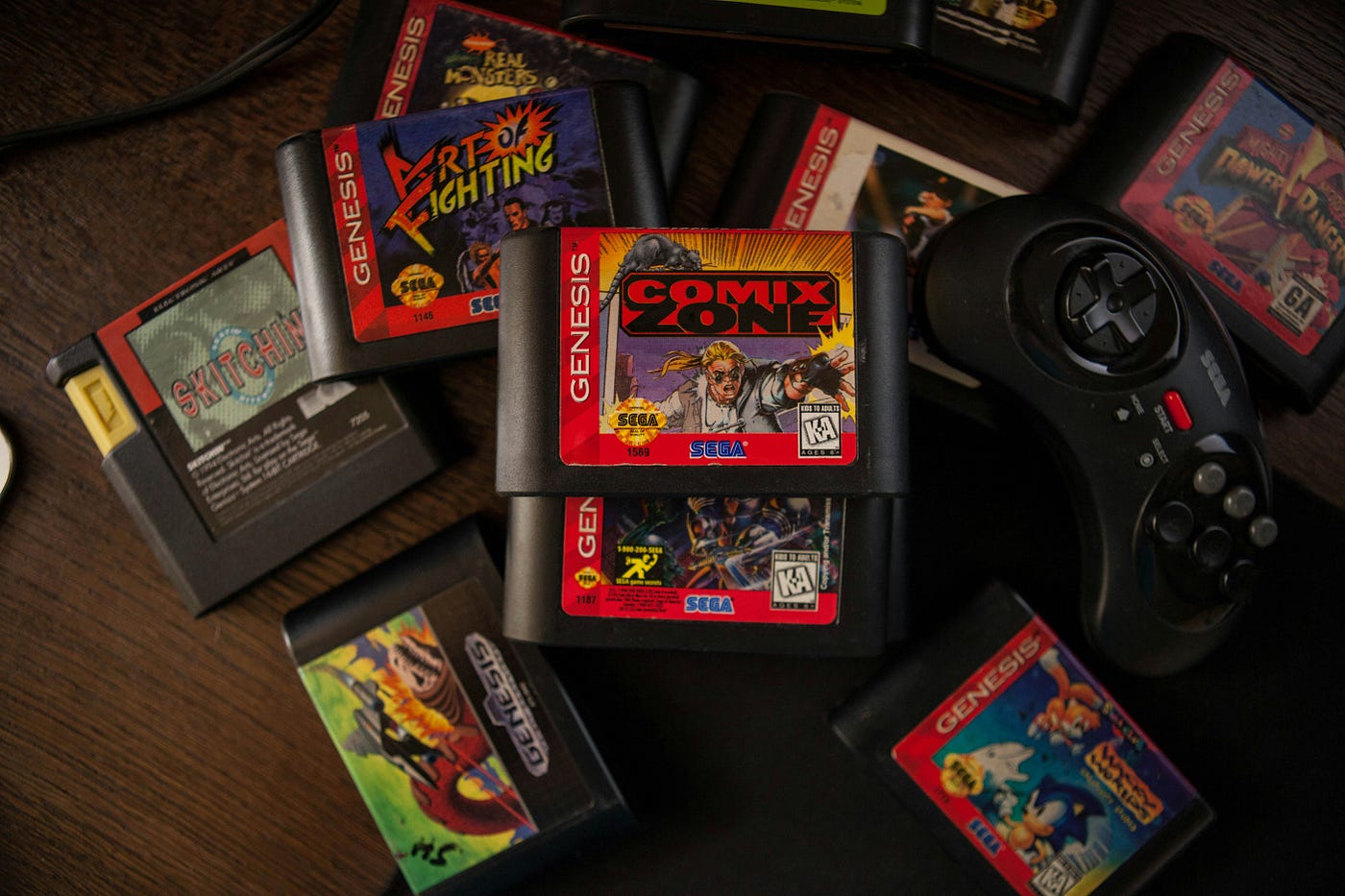
In the technical hierarchy of the 90s, the crown of complexity often belonged to the Graphics Processing Unit. Whether you were exploring a platformer on your Dendy or looking for classic games online to play, you were witnessing a delicate dance of pixel management. The most notorious artifact of this era was sprite flickering, a visual glitch that defined the look of 8-bit games and set the bar for 16-bit improvements.
The 8-bit Hardware Wall
The Ricoh 2A03 chip inside the Dendy (the iconic Famicom clone) had a strict limit of 64 sprites in total across the entire screen. However, the more critical limitation was that it could only display 8 sprites on a single horizontal scanline. A standard sprite was usually 8x8 or 8x16 pixels. If you had three enemies, several projectiles, and a hero all moving along the same horizontal plane, you easily exceeded this 8-sprite threshold.
"Flickering was the invisible hand of the developer, trying to keep the game engine from crashing while keeping the action intense."
Why Did Characters Flicker?
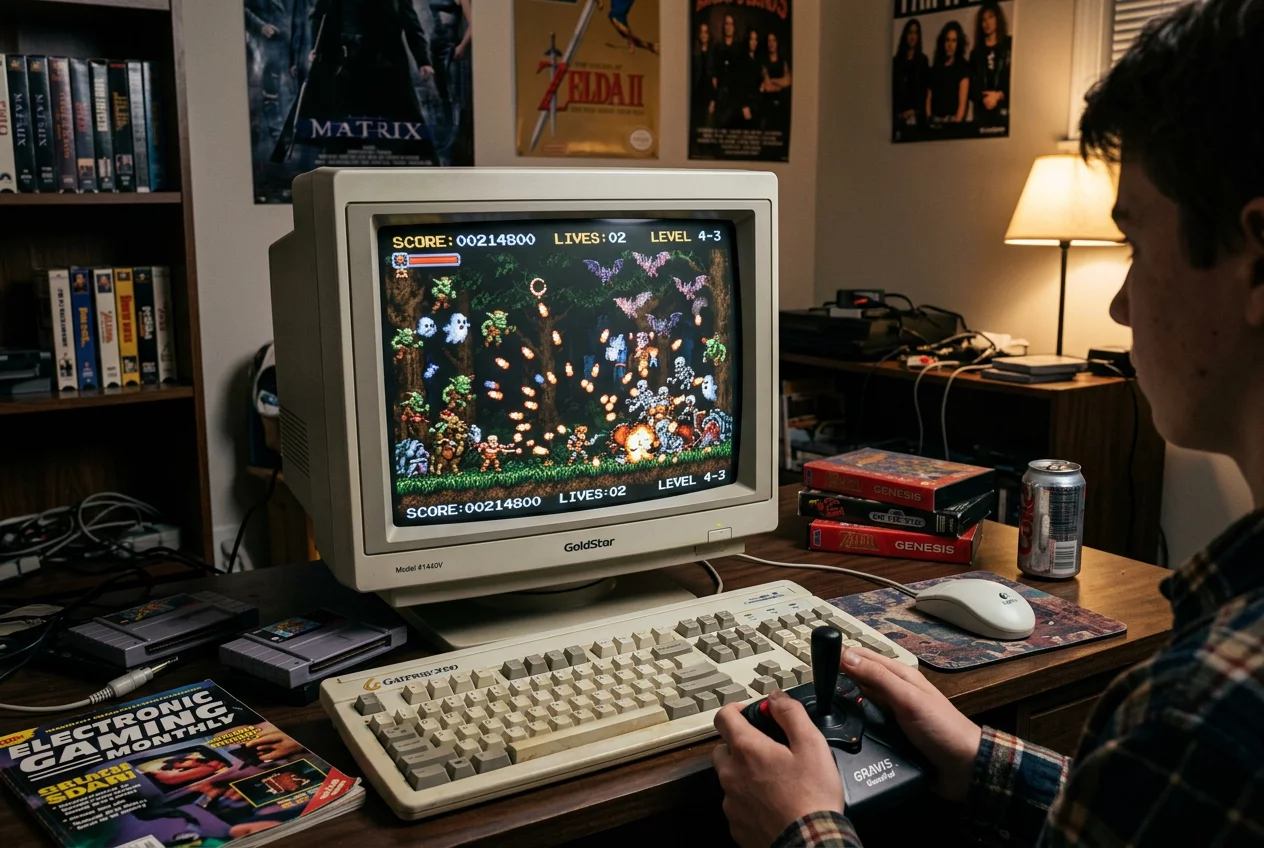
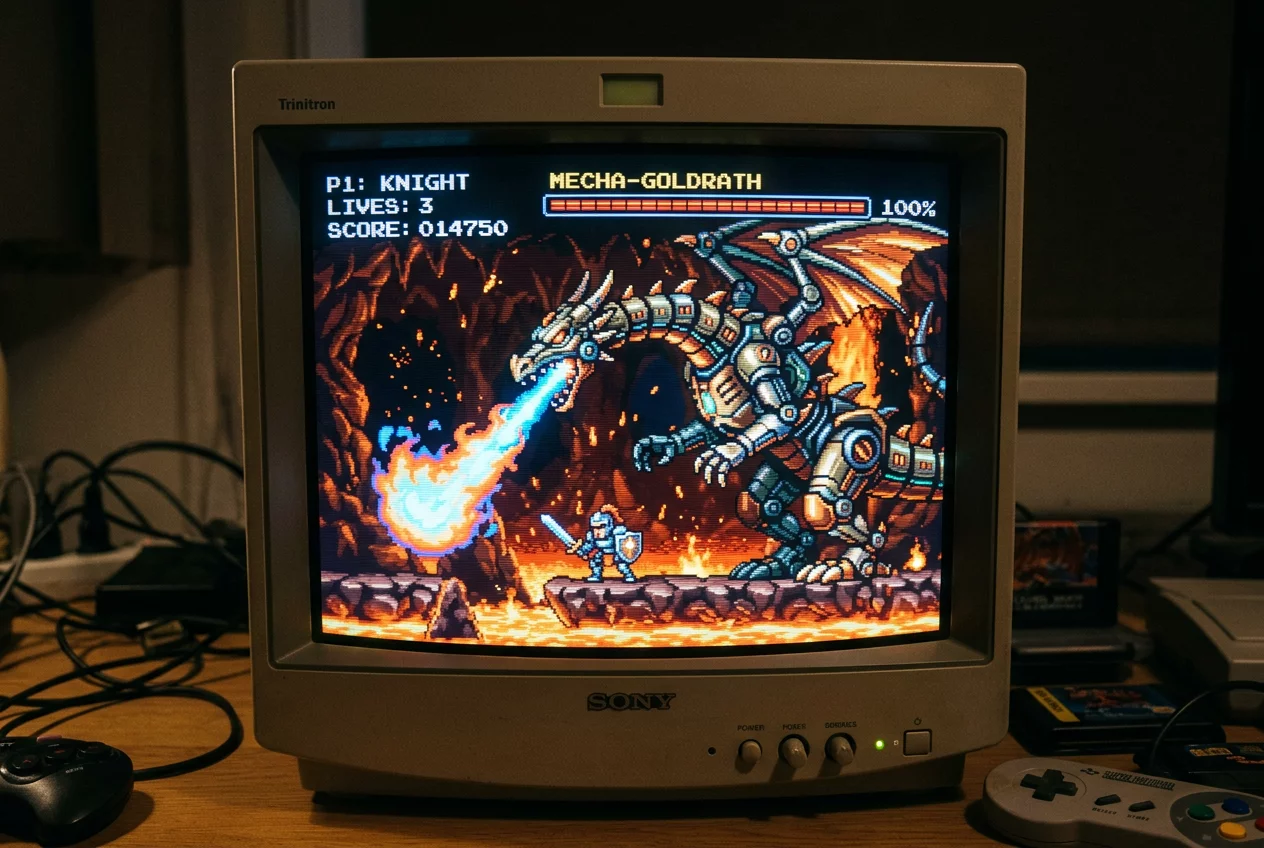
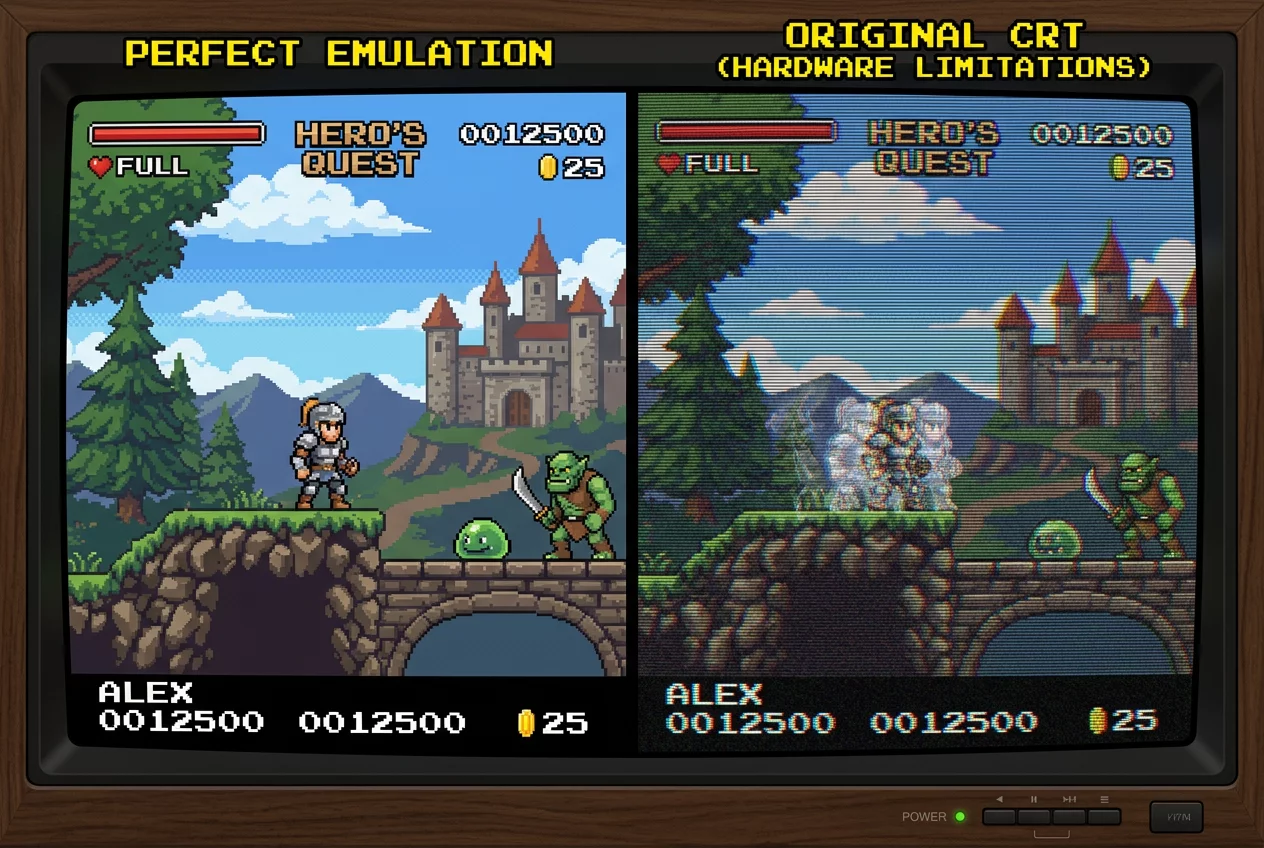
When the limit was exceeded, the hardware simply stopped drawing the remaining sprites for that scanline. To the player, characters would simply vanish from the screen. Developers solved this by cycling the priority of sprites in every frame. In the first frame, enemy A would be drawn; in the second frame, enemy B would take its place. This happened at 60 frames per second, so the human eye saw a ghostly, transparent flicker instead of a total disappearance.
The 16-bit Powerhouse: Sega Mega Drive
The Sega Mega Drive brought significantly more muscle to the table. Its VDP (Video Display Processor) could handle up to 80 sprites total and 20 per scanline. This allowed for massive bosses and crowded action scenes without the heavy flickering seen on 8-bit machines. However, Sega games still faced limits. If developers pushed the bandwidth too far, the system would experience "slowdown" as the Motorola 68000 struggled to calculate the game logic and rendering instructions simultaneously.
Modern Perspective and FAQ
Is flickering present in modern retro-style games?
Rarely. Modern hardware has virtually no sprite limits, so developers must manually add flickering if they want to achieve a 100% authentic "old-school" aesthetic for players exploring retro collections online.
Did Sega games ever flicker?
Yes, but usually only in extreme cases where hundreds of objects were simulated simultaneously, or if the game was a port from a more powerful arcade board like the Capcom Play System.
Retro Discussions
DevGuy
Sprite flickering was annoying but necessary. It’s fascinating how developers pushed the hardware.
Leave a Comment